

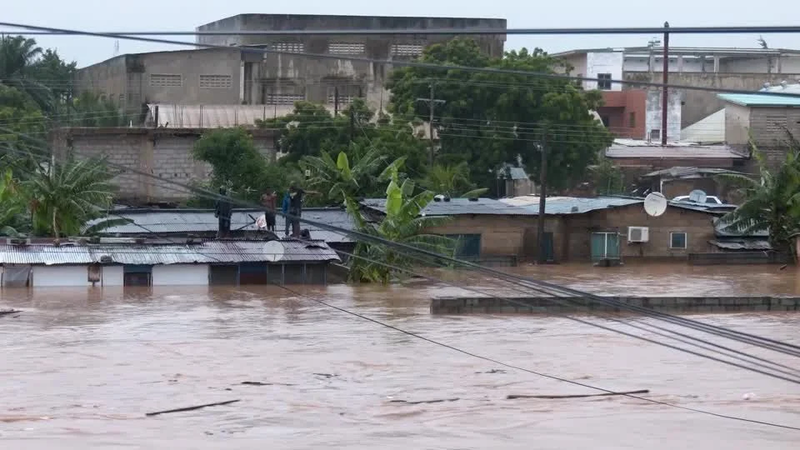
The National Inland Waterways Authority (NIWA) has stepped up its marine safety and environmental protection campaign across waterfront communities in the Federal Capital Territory (FCT) as rising water levels during the peak of the rainy season increase the risk of boat accidents and water pollution.
The Abuja Area/Liaison Office of the Authority recently took the awareness campaign to communities in the Abaji Area Council, where residents were educated on safe navigation practices and the importance of protecting the environment.
NIWA Urges Compliance with Safety Regulations
Speaking during the sensitisation programme, the Area Manager of NIWA’s Abuja Area Office, Hajia Aisha Eri, commended residents for their cooperation and reaffirmed the Authority’s commitment to protecting inland waterways and the people whose livelihoods depend on them.
She urged boat operators, fishermen, passengers and community leaders to strictly observe waterways safety regulations and adopt environmental best practices, particularly during the rainy season when water levels are significantly higher.
Traditional Rulers Back Safety Campaign
The Emir of Kwali, Alhaji Adamu Aguma, applauded NIWA for the initiative and pledged the support of traditional institutions in promoting compliance with waterways safety measures across riverine communities.
He called on residents to embrace the campaign and work with relevant authorities to prevent avoidable accidents on the nation’s inland waterways.
Campaign Follows Minister’s Directive
The sensitisation exercise is part of a nationwide directive by the Minister of Marine and Blue Economy, Adegboyega Oyetola, mandating regular engagement with waterfront communities on waterways safety and environmental protection.
Acting Managing Director of NIWA, Alhaji Umar Yusuf Girei, also directed all Area Offices nationwide to prioritise the campaign as part of ongoing efforts to reduce boat mishaps, improve public safety and preserve Nigeria’s inland waterways.
The Authority said the initiative is aimed at promoting safer water transportation, protecting aquatic ecosystems and reducing the incidence of accidents during the rainy season.