

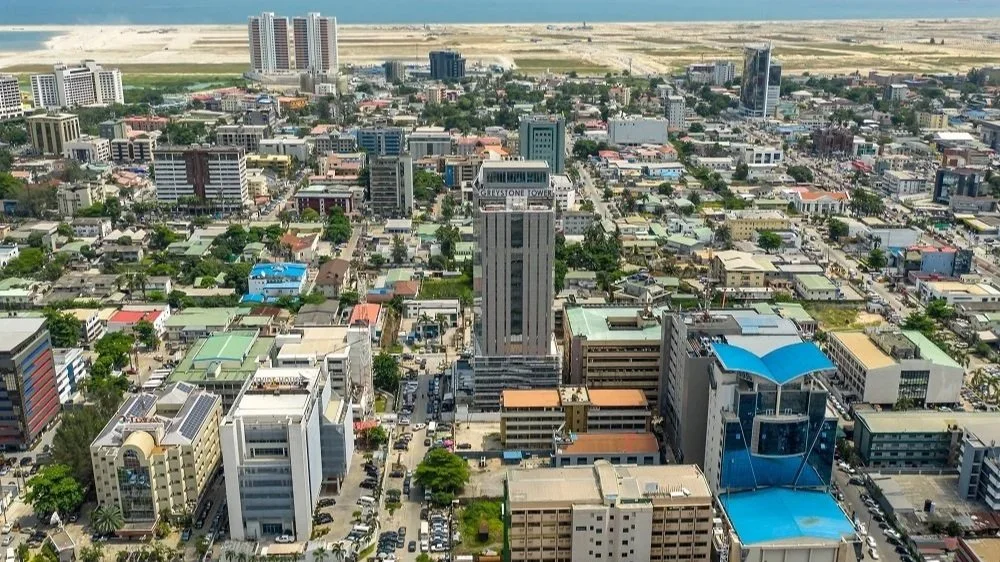
Nigeria’s real estate market is projected to reach approximately $40 billion by 2030, driven by population growth, rapid urbanisation and rising demand for residential and commercial property.
The market was estimated at about $29.2 billion in 2024, indicating significant growth potential over the coming years as more Nigerians move into urban centres and demand for housing and other property assets increases.
Urbanisation Drives Property Demand
Nigeria’s expanding urban population remains one of the biggest drivers of real estate demand.
Cities including Lagos, Abuja, Port Harcourt, Ibadan and Kano continue to attract residents and economic activity, creating additional demand for homes, offices, retail properties and industrial facilities.
As established urban areas become more expensive, developers are also moving towards emerging growth corridors where land is more available and infrastructure development is opening up new areas for investment.
However, increasing demand does not automatically mean Nigerians are finding housing more easily.
Affordability Remains a Major Challenge
The projected expansion of the property market comes at a time when housing affordability remains a major concern.
High land prices, rising building-material costs, labour expenses and limited access to affordable mortgage finance continue to increase the cost of delivering and buying homes.
For many households, income growth has failed to keep pace with rising property prices and rents.
This means Nigeria could record strong growth in the monetary value of its real estate sector while many households continue to struggle to access decent housing.
Mortgage Finance Could Unlock Growth
Access to long-term mortgage financing will be critical if rising housing demand is to translate into increased homeownership.
Nigeria’s mortgage market remains relatively shallow compared with the country’s housing needs. High interest rates, strict lending requirements and limited long-term funding have restricted access to mortgages for many potential homeowners.
Institutional housing-finance initiatives could help address some of these constraints by increasing the availability of long-term capital.
A deeper mortgage market would give households greater purchasing power while also providing developers with a larger pool of potential buyers.
Infrastructure Will Shape New Property Corridors
Infrastructure development is expected to play an important role in determining where future real estate growth occurs.
Roads, electricity, water supply, drainage and public transportation can significantly influence the attractiveness and value of emerging property locations.
Improved infrastructure can open new development corridors and make previously underserved areas more viable for residential and commercial projects.
But poorly coordinated development can create new problems.
Housing estates without adequate roads, drainage, electricity or water can place additional pressure on already stretched urban infrastructure.
Construction Costs Remain a Threat
Developers continue to face high costs for cement, steel, imported materials, labour and land.
These costs eventually affect the price of completed properties and can make affordable housing projects increasingly difficult to deliver.
For developers operating in the lower-cost segment, rising construction expenses can be particularly challenging because profit margins are generally narrower.
This creates a major contradiction for Nigeria’s property market.
The country needs more homes, but the cost of producing those homes continues to rise.
Investment Opportunities Expand
Despite the challenges, the projected market growth could create opportunities across several real estate segments.
Residential property is expected to remain a major source of demand as population growth and urban migration continue.
Commercial, industrial and logistics properties could also benefit from expanding economic activity and changing consumer patterns.
Real Estate Investment Trusts and other institutional investment vehicles could provide investors with additional ways to participate in the property market without directly purchasing individual properties.
However, investors will need to consider factors such as infrastructure, demand, rental yields, regulation and affordability rather than relying solely on overall market-growth projections.
Market Growth Must Translate Into Housing Supply
The biggest question for Nigeria’s housing sector is whether the projected growth in real estate value will result in more accessible homes.
A larger property market does not automatically mean greater affordability.
If property prices and rents continue increasing faster than household incomes, the market can grow while housing pressure becomes worse.
This makes increased housing supply, affordable mortgages and lower development costs critical to the sector’s long-term performance.
Land Administration Remains Important
Efficient land administration will also be necessary to support the sector’s projected expansion.
Delays in title registration, unclear ownership records and land disputes can increase project costs and discourage investment.
Improved land administration could reduce transaction risks, make properties easier to use as collateral and give developers greater certainty when planning new projects.
Outlook
Nigeria’s real estate market is projected to reach approximately $40 billion by 2030, reflecting the scale of demand created by population growth and urbanisation.
But the real measure of success will not simply be how large the market becomes.
The bigger question is whether that growth produces more homes, better infrastructure and greater access to affordable housing.
For investors and developers, the outlook presents opportunities across residential, commercial and industrial property.
For policymakers, the priority should be ensuring that rising investment and property values translate into sustainable housing supply and better-serviced communities.