

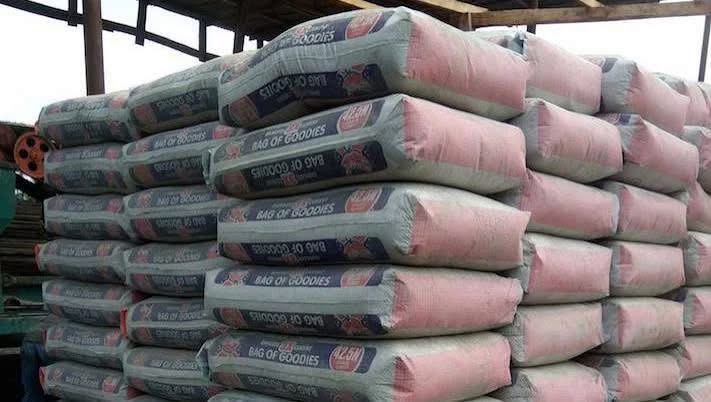
Nigeria’s cement consumption per capita remains below 150kg, significantly lower than levels recorded in Egypt and South Africa, according to HBM Nigeria Chief Executive Officer Lolu Akingemi-Alada.
Akingemi-Alada disclosed this during a question-and-answer session at the Experiencing Panterra event in Lagos. He was represented by Emmanuel Ilaboya, General Manager of Readymix Concrete at HBM.
He said Nigeria’s low consumption indicates significant growth potential for the cement and construction industries.
Manufacturers Face Low Capacity Utilisation
Akingemi-Alada stated that capacity utilisation among manufacturers remains between 20 and 30 per cent.
He attributed the high cost of cement and concrete partly to foreign exchange pressures, noting that manufacturers import several production inputs.
He also explained that some locally produced resources, including gas and oil, are priced in dollars, increasing exposure to currency-related costs.
According to him, exchange-rate stability over the past year has helped manufacturers improve forecasting and planning.
Energy Costs Increase Production Expenses
The HBM chief executive identified electricity supply as another major factor affecting cement prices in Nigeria.
He said many cement manufacturers operate their own power plants because they cannot depend entirely on electricity from the national grid.
The construction and maintenance of private power plants, he explained, increase production costs.
Akingemi-Alada said HBM remains committed to improving operational efficiency and limiting the extent to which imported input costs affect customers.
Panterra Calls for Greater Transparency
Speaking at the event, Panterra CEO Tayo Odunsi said investors require transparency within the real estate sector.
He noted that the industry lacks a standard repository for reliable information, making it difficult for investors and other stakeholders to assess market opportunities.
Odunsi announced the launch of reports examining the Nigerian construction market and the West African property market.
Regional Capital Drives Real Estate Opportunities
Panterra Chief Investment Officer Ayo Ibaru said currency stability, financing capacity, security and partnerships with Global South investors are increasingly shaping West Africa’s real estate sector.
He said local, Gulf, Turkish and Asian capital is diversifying investment sources and supporting infrastructure development.
Ibaru also identified the Dangote Refinery and the Lekki Free Trade Zone as important developments for industrial and real estate investment.
He highlighted the proposed $15.6 billion Abidjan-Lagos Corridor, which is expected to connect five countries and support urban and commercial growth.