

For many Nigerian property buyers, the biggest real estate warning sign may not appear until after the sales banners disappear.
An estate may launch with impressive brochures, a large turnout, ambitious infrastructure plans and promises of phased development. Buyers pay deposits, acquire plots and look forward to becoming part of a new community.
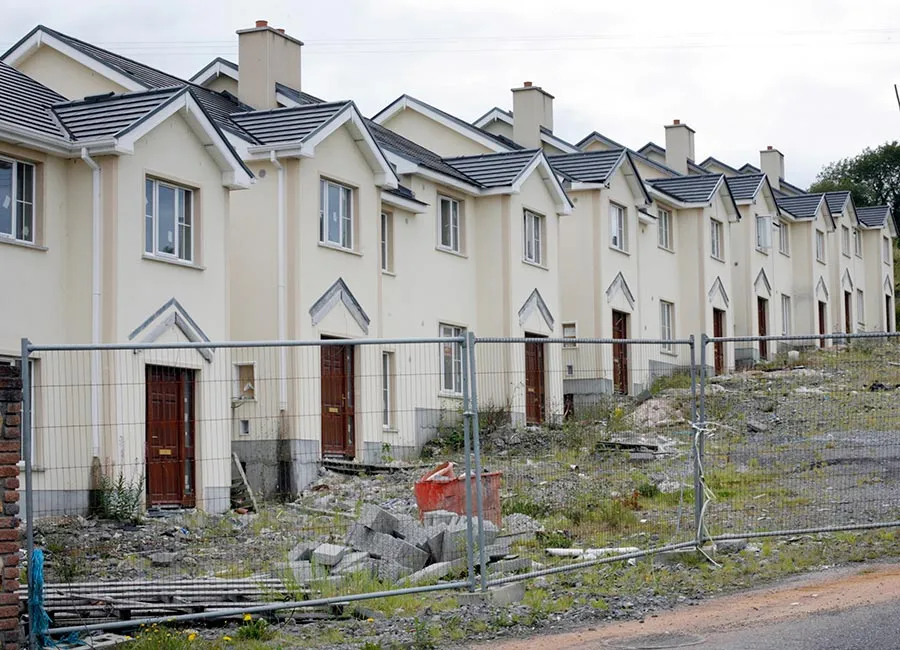
But months later, the roads may still be unfinished. Electricity infrastructure may remain absent, drainage work may be incomplete and the promised community may exist largely on paper.
This growing gap between estate marketing and actual development is raising concerns among property professionals and investors about the risks of buying into stalled or slowly developing estates.
An estate launch is not the same as development
According to Abuja-based realtor and real estate educator Chijioke Adimike, many first-time buyers wrongly assume that the launch of an estate means construction and infrastructure delivery are already guaranteed.
“Many people make the mistake of assuming that an estate launch and an estate development are the same thing, but they are not,” he said.
A launch is primarily a sales milestone. Actual development requires substantial capital, regulatory approvals, infrastructure, construction planning, buyer demand and sustained execution over several years.
This distinction can determine whether a plot eventually becomes part of a functioning neighbourhood or remains an isolated piece of land.
Two estates launched around the same period and sold at similar prices can therefore produce completely different results depending on the strength of their financing, location, management and execution.
The financing model can determine an estate’s future
Professional land surveyor and GIS expert Abolade Durowoju said many estates across Nigeria have been launched and heavily marketed without ultimately developing into the communities originally projected.
Some, he noted, remain partially developed, sparsely occupied or completely stagnant years after buyers acquired plots.
A master plan, he stressed, does not amount to development.
“Development is capital, coordination, infrastructure sequencing, and sustained execution discipline,” Durowoju said.
One major risk is the financial structure behind the project.
Some developers depend heavily on payments from off-plan subscribers to finance infrastructure. While the model can work when sales remain strong, problems can emerge when new subscriptions decline.
“When sales slow down, development slows down. When development slows down, buyer confidence drops,” Durowoju explained.
That creates a damaging cycle in which weak sales reduce construction, limited construction reduces buyer confidence and declining confidence further weakens sales.
For investors, the result is an execution risk that can easily be overlooked during the excitement surrounding an estate launch.
Location can become a hidden liability
Infrastructure is another major factor.
An estate may have an attractive master plan, but its prospects can weaken considerably if it lacks reliable access roads, drainage, electricity or other essential infrastructure.
Location also matters beyond the boundaries of the estate.
If a development is several kilometres away from established communities and major access routes, investors may have to wait years for surrounding infrastructure and population growth to reach the area.
“If an estate is positioned too far ahead of infrastructure expansion without credible connectivity timelines, investors may hold land for years waiting for growth to reach them,” Durowoju said.
That waiting period comes with an opportunity cost.
Land appreciation is often driven by factors such as population growth, improved roads, commercial activity and the expansion of surrounding communities.
Simply owning land does not guarantee that these catalysts will eventually materialise.
Governance problems can quietly derail projects
The risks associated with stalled estates also extend beyond financing and location.
Poor governance, weak coordination among developers, communication problems, internal disputes and regulatory challenges can all affect the progress of an estate.
These problems are often difficult for buyers to identify during the sales stage.
A brochure can show what an estate is expected to look like when completed, but it cannot establish whether the developer has sufficient funding, the necessary approvals or the organisational capacity to deliver the promised project.
This makes due diligence particularly important for buyers who are purchasing into developments that may take several years to mature.
Stalled estates can trap investors’ money
When an estate fails to develop as expected, the consequences can extend beyond disappointment.
Investors may have significant capital tied up in locations that are not generating the expected appreciation.
Resale can also become difficult because potential buyers may be unwilling to pay a premium for land inside an estate where infrastructure development has stalled.
In some cases, investors may eventually have to sell at only a marginal gain — or accept a discount — simply to recover their capital and exit the project.
The risk is particularly significant for buyers who assumed that land prices would automatically rise after purchasing.
What buyers should investigate before paying
For prospective property buyers, the lesson is that the sales presentation should never be the only basis for making an investment decision.
Adimike advised buyers to ask detailed questions about the developer’s previous projects, funding structure, development timeline, approvals, infrastructure commitments and delivery history before making payments.
They should also investigate the surrounding area rather than focusing exclusively on the estate itself.
Questions about access roads, electricity, drainage, water supply, nearby developments, population growth and government infrastructure plans can help buyers determine whether the estate has realistic prospects of becoming a functioning community.
“Buyers who ask the best questions before payment are often the ones who experience fewer surprises afterwards,” Adimike said.
The real value is in what gets delivered
Nigeria’s growing housing demand continues to attract both individual buyers and investors into land and property.
But the experience of stalled estates shows that buying a plot is not necessarily the same as buying into a future community.
The ultimate value of an estate depends on whether the infrastructure, connectivity, population, commercial activity and economic growth promised at launch eventually materialise.
For buyers, therefore, the most important question may not be how attractive an estate looks on launch day.
It is whether the developer has the money, approvals, infrastructure plan and execution capacity to make that vision a reality.