

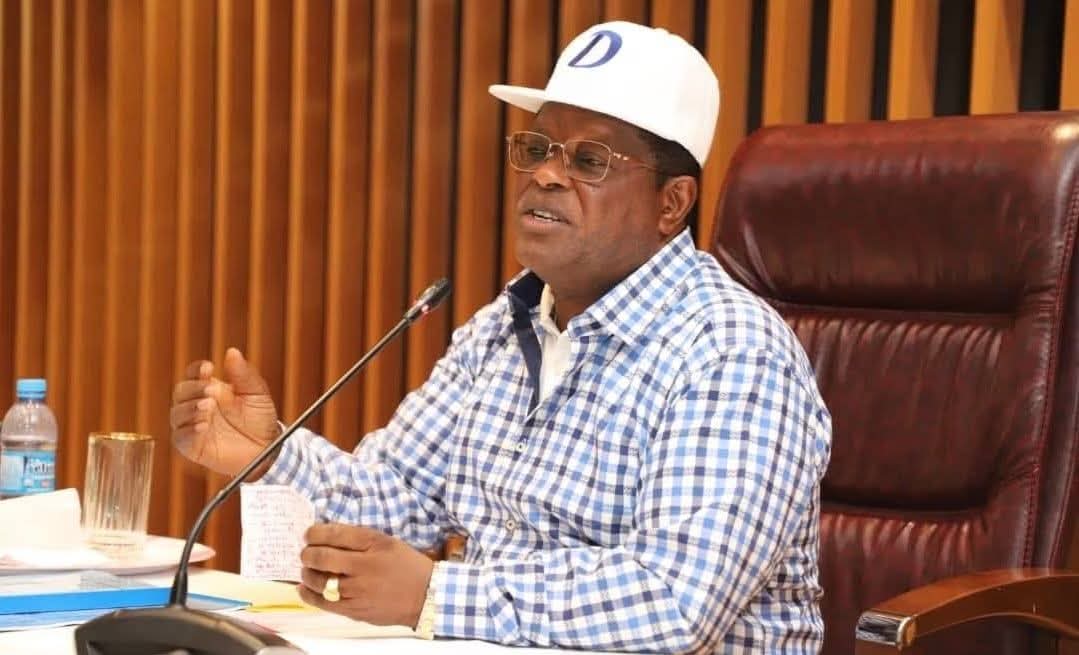

Some members of the House of Representatives have rejected bags of rice donated by the Minister of Works, David Umahi, citing what they described as a cumbersome and undignified collection process.
Sources within the lower legislative chamber told journalists that the lawmakers were displeased with conditions outlined in an internal memo regulating how the rice would be accessed. The donation, meant as a goodwill gesture, has instead sparked controversy over administrative hurdles attached to its distribution.
According to the memo seen by reporters, legislative aides were required to obtain special forms from the Speaker’s office, attach photocopies of official identity cards, and present written authorisation from their principals before the rice could be released. The process also mandated submission of completed forms to the Special Adviser on Finance for verification.
Collection of the rice was scheduled to take place at Garki International Market, near the old Central Bank of Nigeria (CBN) quarters, beginning Monday, January 26, after validation of documents.
Several lawmakers reportedly found the procedure excessive. One legislator described the process as “cumbersome and undignified,” questioning why elected representatives would be subjected to multiple layers of screening to collect 125kg bags of rice.
Another source said some lawmakers advised the minister to redirect the donation to vulnerable residents in Ebonyi State, Umahi’s home state, rather than lawmakers who are adequately remunerated.
Concerns were also raised over the choice of a private shop in a public market as the collection point, instead of distributing the items within the National Assembly complex.
Umahi, a former governor of Ebonyi State from 2015 to 2023, was elected senator in the 2023 general election but resigned after being appointed Minister of Works by President Bola Tinubu.
While it is common for lawmakers to receive gifts and welfare items from members of the executive arm, especially during festive periods, sources stressed that the objection in this case was not the donation itself, but the conditions attached to its distribution.
The development has further fueled debate about propriety, dignity of office, and the relationship between the executive and legislative arms of government.