

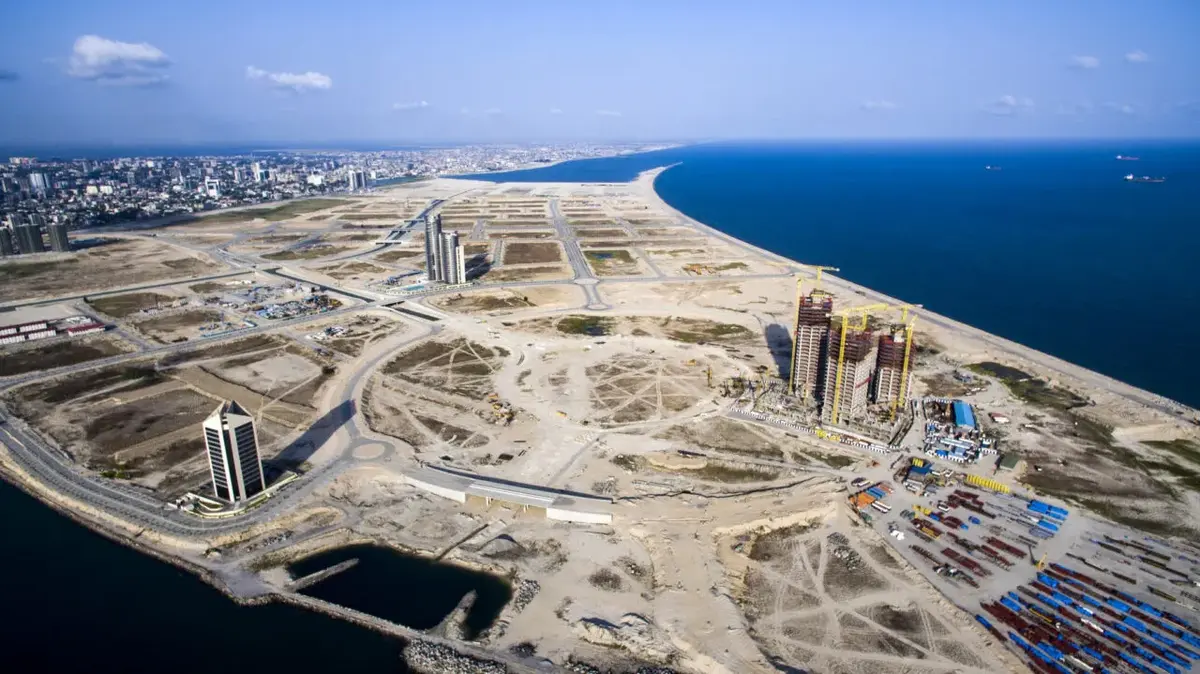
Land prices in some of Lagos’ most prominent residential districts have climbed sharply over the past four years, with Ikoyi recording an average of about ₦2.5 million per square metre in 2026.
The latest figures are contained in the Lagos Island Residential Market Report 2026 by Lagos Realty. The report examines property values across four key locations: Ikoyi, Victoria Island, Lekki Phase 1 and Ikate.
The data shows that rising demand, scarce land and sustained development have continued to push up the value of residential land across the Lagos Island corridor.
Ikoyi Leads the Market
Ikoyi remains the most expensive of the four locations surveyed.
Average land prices in the district rose from ₦1.35 million per square metre in 2022 to ₦2.45 million in 2026, according to the report. That represents an increase of approximately 81.48 per cent.
The report attributes the premium to limited land availability, the area’s reputation as a high-value residential district and its proximity to Eko Atlantic City.
Ikoyi continues to attract diplomats, senior corporate executives, expatriates and other high-income residents. The limited supply of undeveloped plots has also encouraged developers to maximise available sites through high-value residential projects.
Victoria Island Records Strong Growth
Victoria Island follows Ikoyi with an average land price of ₦2.1 million per square metre in 2026.
The district recorded a substantial increase from ₦705,000 per square metre in 2022, representing growth of about 197.87 per cent.
Victoria Island’s position as both a commercial and residential hub continues to support property demand. The area is home to major banks, multinational companies, diplomatic missions and Grade A office developments.
The report also links the increase to growing mixed-use development and activity around Eko Atlantic City.
As developers replace older low-rise buildings with larger residential and commercial projects, the amount of undeveloped land available for new projects continues to shrink.
Lekki Phase 1 Records 256% Increase
Land prices in Lekki Phase 1 have experienced an even larger percentage increase.
The report puts the average value at ₦1.5 million per square metre in 2026, compared with ₦421,000 in 2022. That represents an increase of approximately 256.53 per cent.
The area has become an important residential market for young professionals, families, diaspora Nigerians and institutional investors.
Its accessibility, continued infrastructure development and proximity to the Lekki Free Trade Zone have helped maintain demand.
Developers are also pursuing apartment towers and gated communities, reflecting the increasing pressure to maximise limited land within the established neighbourhood.
Ikate Emerges as a Lower-Cost Option
Ikate remains the least expensive of the four markets, although land prices have also risen considerably.
Average land prices increased from ₦385,000 per square metre in 2022 to ₦955,000 in 2026. This represents an increase of about 148.05 per cent.
The district has experienced significant physical transformation. Traditional low-density residential developments are increasingly being replaced by apartment buildings and gated housing schemes.
Waterfront and lagoon-facing plots command additional premiums because of their location and development potential.
Rising Land Costs Affect Housing Supply
The rapid increase in land values has implications beyond property investors.
Land represents one of the major costs involved in housing development. When acquisition prices rise, developers face pressure to either absorb higher costs or increase the selling prices of completed properties.
That can make new homes less accessible to middle-income households and contribute to the wider affordability challenge facing Lagos.
The trend is also encouraging higher-density development in established neighbourhoods. Developers can potentially generate more value from expensive plots by constructing apartment buildings and mixed-use developments instead of traditional low-density homes.
Investors Face a Changing Market
For property investors, the figures demonstrate the importance of location and timing in Lagos’ real estate market.
Ikoyi commands the highest absolute land price, while Lekki Phase 1 recorded the largest percentage increase among the four areas between 2022 and 2026.
However, rising prices do not automatically translate into guaranteed investment returns. Investors still need to consider title documentation, planning regulations, infrastructure, development costs, market demand and the time required to exit an investment.
The continued rise in land values across Lagos Island also highlights the pressure facing policymakers as the city seeks to expand housing supply.
With established neighbourhoods becoming increasingly expensive, future housing growth may depend on improved infrastructure, better land-use planning and the development of new residential corridors.
The Lagos Island market therefore presents two sides of the same trend: strong investor demand and rising property values on one hand, and growing pressure on housing affordability on the other. How the city manages that balance will remain important to the future of Lagos’ real estate and housing market.