

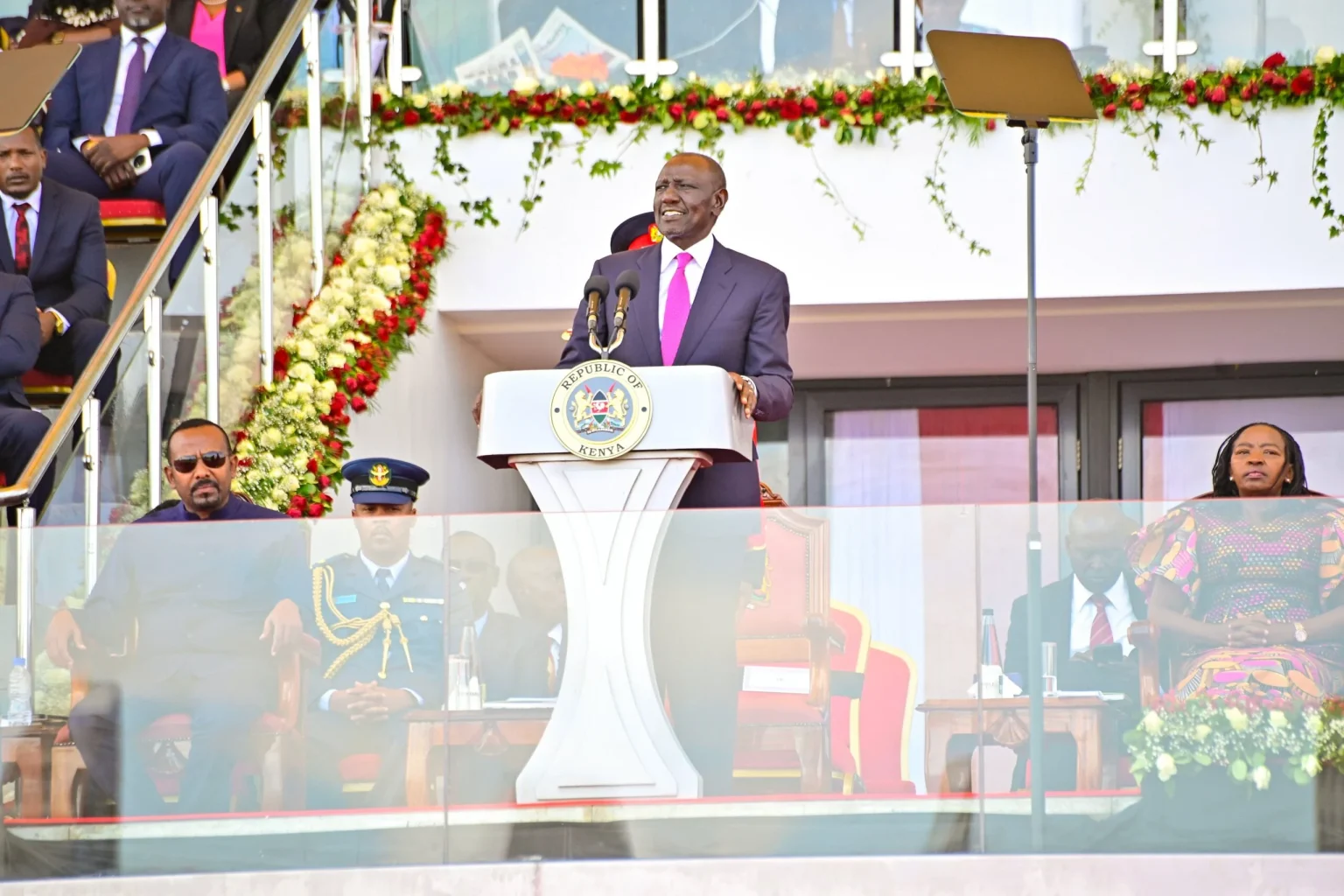
Kenyan President William Ruto has announced proposed reforms aimed at reducing land acquisition costs, easing financial pressure on low-income households and expanding employment opportunities ahead of the country’s 2027 general elections.
Speaking during the Mashujaa Day celebrations in Eldoret on October 20, 2026, Ruto outlined measures targeting property ownership, personal income tax, digital accessibility and youth employment.
A major component of the proposals is the removal of stamp duty on land transactions valued at KSh 1 million or less, a move intended to make property acquisition and transfer more affordable for lower-income Kenyans.
Kenya Proposes Stamp Duty Exemption for Low-Value Land Transactions
Under the proposed reforms, land transactions worth up to KSh 1 million would be exempt from stamp duty, while higher-value transactions would be subject to progressive rates.
Ruto said the National Treasury had prepared the proposals for submission to Parliament, with the objective of reducing property transaction costs and improving access to land ownership.
The proposed changes could provide financial relief to households seeking to acquire land, particularly those facing difficulties meeting additional property transaction costs.
However, the measures will require the necessary legislative approvals before implementation.
Affordable Housing Programme Remains a Key Government Priority
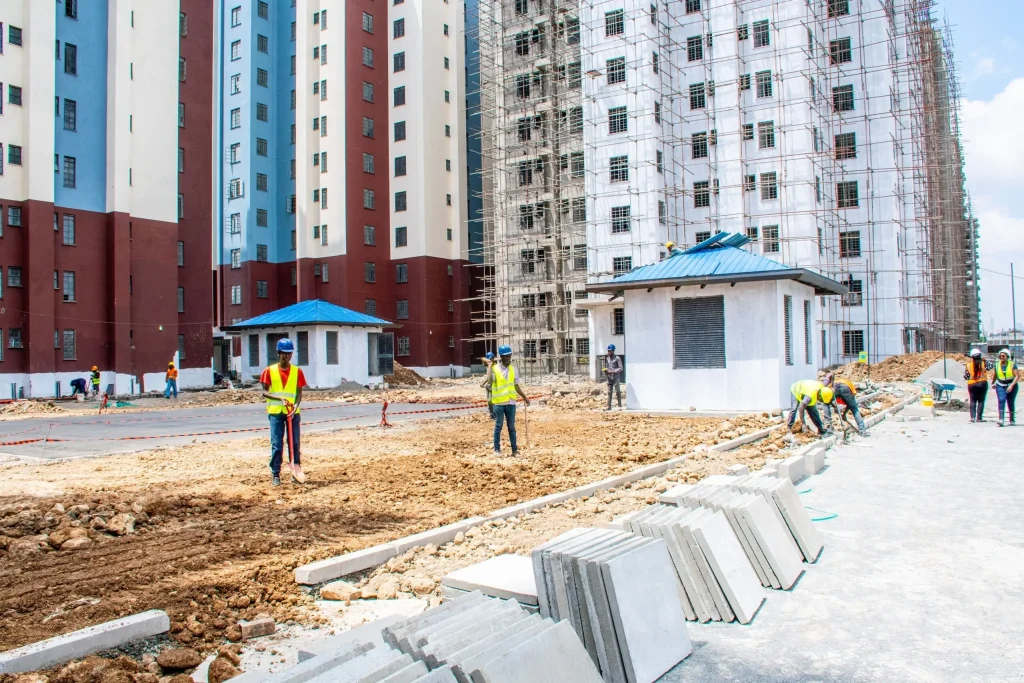
The President also highlighted progress under Kenya’s Affordable Housing Programme, which forms part of the government’s broader strategy to address housing needs while creating employment.
According to Ruto, 303,910 housing units, 450 modern markets and 180,000 student accommodation units are at various stages of development.
He further stated that investments in housing, construction and related industries have generated more than 1.1 million employment opportunities.
These figures reflect the government’s reported progress.
Tax Relief and Youth Employment Initiatives
Alongside the land reforms, Ruto proposed exempting workers earning KSh 32,333 or less per month from Pay As You Earn (PAYE) income tax.
The proposed exemption is intended to increase disposable income among lower-paid workers and ease household financial pressures.
The government also plans to remove the 25 per cent import duty on mobile phones to improve access to digital technology and economic opportunities.
In addition, Ruto announced plans to expand the national internship programme by 50,000 placements from January 1, 2027, offering more young Kenyans opportunities to gain practical workplace experience.
Housing and Economic Development Ahead of 2027
The announcements come as Kenya approaches its 2027 general elections, with housing affordability, employment and household living costs remaining important public policy issues.
For the housing sector, the proposed stamp duty exemption could reduce one of the financial barriers to acquiring land, while ongoing construction projects could support employment and economic activity.
The impact of the reforms will depend on legislative approval, implementation, and the extent to which the proposed savings reach prospective property owners.