

The Federal Capital Territory Administration (FCTA) has received a $1.5bn investment proposal for electric mass transit and cleaner transportation systems in Abuja.
The proposal, submitted by Magnifique Integrated Concept Limited and its consortium partners, forms part of efforts to attract private investment into green infrastructure, improve urban mobility and address environmental challenges across the territory.
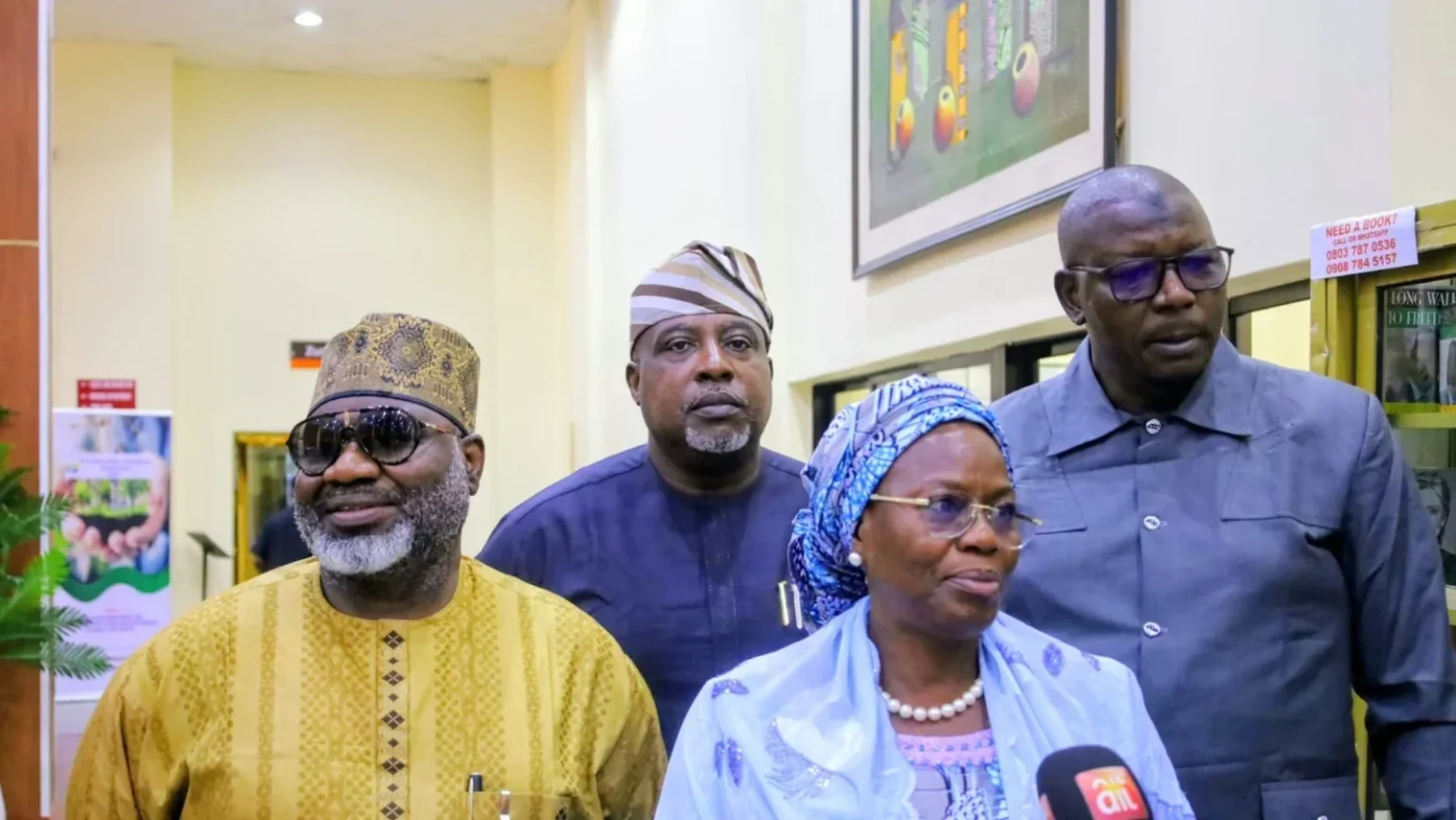
FCT Minister Nyesom Wike disclosed this on November 5 at the FCT Post-COP30 Investment Roundtable in Abuja.
The administration also confirmed receiving a separate proposal from Hallmark Technologies and General Services Limited for waste management and waste-to-wealth projects.
Both proposals remain at the investment assessment stage and have not received final approval for implementation.
$1.5bn Proposal Targets Electric And Cleaner Transport
The proposed $1.5bn investment covers electric mass transit fleets, cleaner vehicle technologies, charging infrastructure, supporting energy systems and digital transport services across the FCT.
The proposed transport system would combine electric and compressed natural gas (CNG) buses to improve public transportation, particularly in densely populated areas experiencing heavy traffic congestion.
Acting Head of Service of the FCT, Nancy Nathan, who represented Wike at the roundtable, said the initiative aims to address everyday transportation challenges and improve commuter safety.
The proposed system would also incorporate smart tracking technology into public transport vehicles.
According to the administration, the technology could help address criminal activities involving individuals posing as commercial transport operators, commonly known as “one-chance” operators.
Abuja’s rapid expansion has increased pressure on existing transport and energy infrastructure, creating demand for more efficient mobility systems and cleaner energy sources.
Separate Proposal Targets Waste Management And Recycling
Alongside the transport investment proposal, Hallmark Technologies and General Services Limited submitted a separate plan focused on converting municipal waste into useful economic resources.
The proposed waste-to-wealth initiative would incorporate waste sorting, recycling, composting and other recovery processes.
It is also expected to produce biocompost for agricultural use in communities across the FCT.
The proposal seeks to address challenges involving waste collection, inadequate waste segregation and limited funding for waste management infrastructure.
Participants at the roundtable advocated private-sector concession arrangements, improved waste collection logistics and investment in material recovery facilities.
These measures, they said, could help establish a commercially viable waste management system.
However, the FCTA did not disclose the financial value of Hallmark Technologies’ proposal.
FCTA To Conduct Feasibility And Regulatory Assessments
The administration’s Economic Planning, Revenue Generation and Public-Private Partnership Secretariat will assess the proposed investments before the government enters into formal agreements.
The assessments will examine technical feasibility, financial viability, project risk allocation and compliance with relevant regulations.
The FCTA said it wants to develop transparent and commercially viable public-private partnerships that attract private capital while protecting public interests.
The FCT Green Bond Committee is also working to move investment discussions towards bankable projects by establishing clear implementation timelines, institutional responsibilities and financing arrangements.
The administration plans to present its green infrastructure investment opportunities at a dedicated event during the upcoming COP31 summit to attract more investors and development partners.
Proposed Projects Could Influence Abuja’s Urban Development
The proposed investments could have implications for Abuja’s long-term urban development as population growth increases demand for transportation, energy and waste management infrastructure.
Improved public transportation could strengthen connections between residential districts, commercial centres and employment locations.
More reliable mobility infrastructure may also influence property demand and the attractiveness of areas affected by congestion or limited transport options.
Similarly, investment in waste management, renewable energy and climate-resilient infrastructure could support more sustainable urban development and improve conditions for businesses and property owners.
However, these potential benefits depend on whether the proposals secure financing, pass regulatory assessments and progress to implementation.
The $1.5bn figure represents the value of the submitted e-mobility proposal. It does not represent funding already secured or infrastructure currently under construction.
The FCTA must now translate the investment proposals into funded projects with clear delivery timelines, measurable outcomes and sustainable operational plans.