

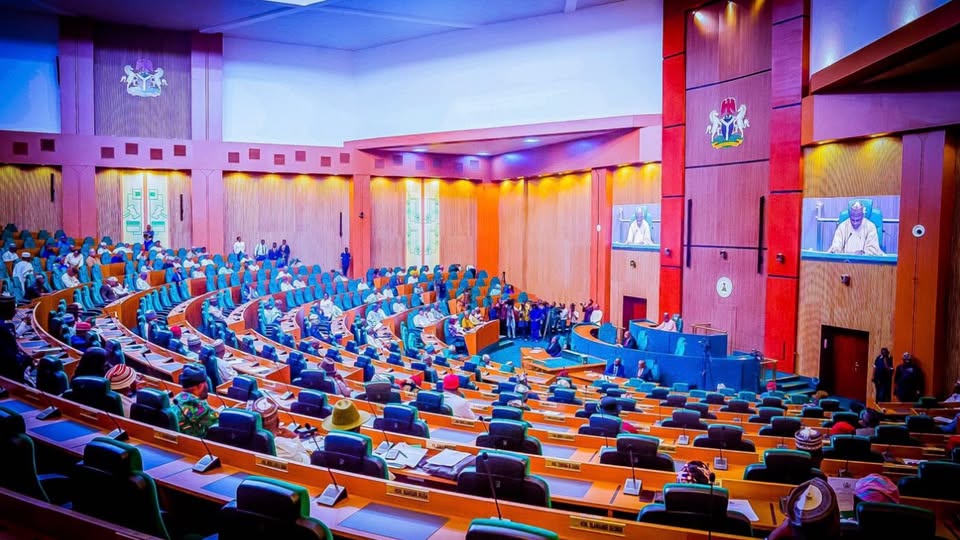
FCT Rent Regulation Bill Seeks to Limit Advance Rent to 12 Months
The House of Representatives is considering a bill that would prevent landlords, estate agents and property managers in the Federal Capital Territory (FCT) from demanding more than one year’s rent upfront as a condition for granting or renewing a tenancy.
The proposed legislation, known as the Federal Capital Territory Rent Regulation and Tenants’ Protection Bill, 2026, is sponsored by Paul Nnamchi and Ahmed Doro. It seeks to regulate rental payments and introduce stronger protections for tenants and landlords.
Under the proposal, landlords and their agents would be prohibited from forcing tenants to pay more than 12 months’ rent in advance. The restriction would also cover attempts to bypass the proposed limit through compulsory service charges, separate agreements, repeated tenancy renewals or other arrangements.
However, tenants could voluntarily choose to pay for more than one year if they initiate the arrangement without coercion, threats, discrimination or retaliation. Such agreements and payments would have to be documented in writing.
Proposed Rent Authority to Handle Complaints
The bill seeks to establish the Federal Capital Territory Rent Regulation and Tenants’ Protection Authority to oversee compliance and address disputes in the rental market.
The proposed authority would investigate complaints, monitor rental practices, facilitate dispute resolution and issue compliance notices. It would also have the power to order refunds where tenants are found to have made unlawful advance rent payments.
Under the proposal, landlords or agents ordered to return unlawfully collected rent would have 30 days to comply with the refund order.
The legislation also seeks to make written tenancy agreements compulsory before or at the beginning of a tenancy. These agreements would outline the rent payable, payment schedule, duration of the tenancy, refundable deposits, additional charges and the responsibilities of both parties.
Proposed Penalties for Violations
The proposed legislation includes financial penalties for landlords, agents and other parties who knowingly violate the advance rent restrictions.
Individuals convicted of the offence could face fines ranging from ₦500,000 to ₦5 million, while corporate offenders could face penalties between ₦5 million and ₦20 million.
Anyone convicted of failing to comply with a valid notice issued by the proposed authority could also face a fine of up to ₦1 million.
The bill would preserve the right of landlords and tenants to seek legal redress in court. Parties dissatisfied with decisions made by the proposed authority could appeal to the FCT High Court within 30 days.
Rising Rent Costs Continue to Pressure Abuja Residents
The proposal comes amid growing concerns about the cost of accommodation in Abuja, where tenants often face substantial upfront payments before securing a home.
Rising rents and additional charges, including agency fees, agreement fees and service charges, have increased the financial pressure on residents. For many households, raising a year’s rent or more at once remains a significant challenge.
The latest proposal follows earlier efforts by lawmakers to address rental affordability. In October 2025, the House of Representatives urged the federal government to work with state governments on measures to regulate rent increases, including a proposed cap of 20 per cent on existing rent.
However, that earlier resolution has not been verified as an implemented nationwide rent cap.
The 2026 bill represents another legislative effort to address rental practices in Abuja. It remains a proposal, and its restrictions should not be treated as enacted law unless the legislative process is completed and the legislation comes into force.