

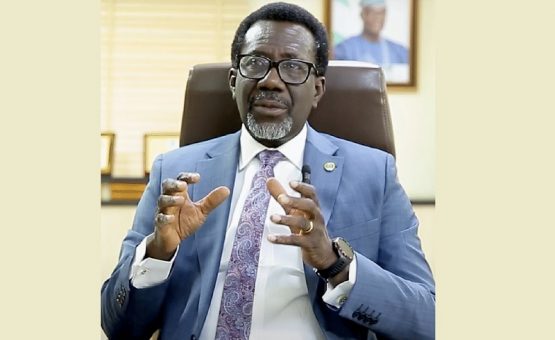
The Commissioner for Insurance and Chief Executive Officer of the National Insurance Commission (NAICOM), Mr Olusegun Ayo Omosehin, has called on Nigerians to embrace insurance as a critical instrument for social protection and economic recovery rather than viewing it merely as a financial product.
Omosehin made the call while delivering the keynote address at the official launch of the Lagos State Building Insurance Scheme in Lagos.
He said insurance plays a vital role in helping individuals, businesses and governments recover from disasters by providing financial protection against unexpected losses.
“In reality, insurance is an instrument of social protection and economic recovery. When a building collapses, insurance helps families recover. When fire destroys commercial premises, insurance enables businesses to restart operations. When floods damage homes and public facilities, insurance provides financial support that reduces suffering and accelerates recovery.
“Without insurance, disasters push individuals, businesses and governments into severe financial distress and trigger economic waste,” he said.
According to him, insurance makes economic shocks more manageable and accelerates recovery after disasters.
He stressed that compulsory building insurance should not be seen merely as a regulatory requirement but as an important public safety intervention.
Omosehin noted that the Lagos State Building Insurance Scheme supports the broader national objective of ensuring that Nigerians are protected financially whenever disasters occur.
He explained that under the scheme, public buildings and buildings under construction above the prescribed height are required to carry insurance coverage that protects property owners, occupants, visitors and passers-by.
According to him, the objective of the law is not to impose additional burdens on citizens but to ensure that victims of incidents such as building collapse, fire, flooding or negligence have access to financial compensation.
“What Lagos State has done is to take this national law and give it practical, enforceable life at the level where buildings actually stand,” he said.
Omosehin described the initiative as a model of collaboration between the federal regulator and state governments, in line with the provisions of the Insurance Act.
He noted that while Nigeria has adequate laws on compulsory insurance, enforcement has remained a major challenge.
“Our challenge, honestly stated, has always been enforcement. We have carried compulsory insurance provisions on our books for years while compliance remained weak, awareness remained low, and forged certificates circulated freely.
“What distinguishes the Lagos initiative is that it confronts the enforcement gap directly,” he said.
The NAICOM boss expressed optimism that stronger enforcement of compulsory building insurance would improve compliance, enhance public safety, protect property owners and reduce the economic impact of disasters across the country.