

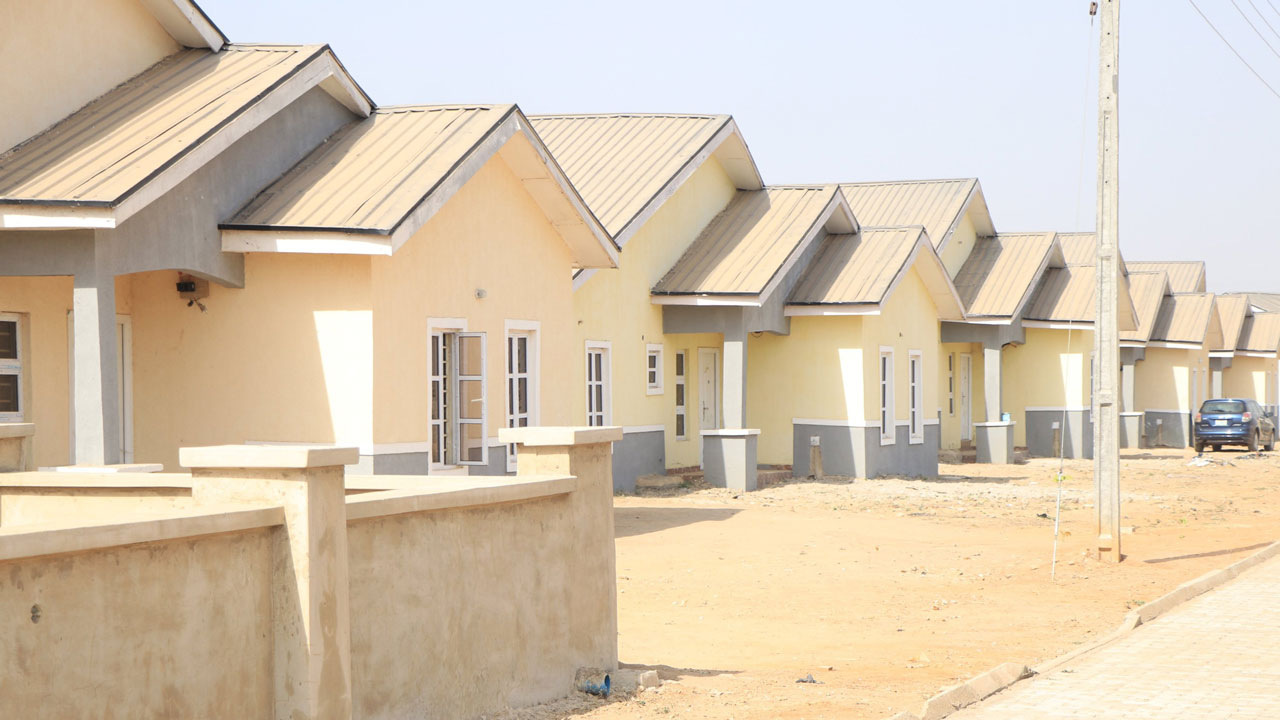

Experts in the real estate sector have lamented the effect of the COVID-19 pandemic and poor economy on the delivery of low-income housing in the country.
They argued that it would be impracticable for developers to embark on low-income housing, where there is uncertainty in the exchange rate and where galloping prices in the building material market persist.
According to them, developers are constructing homes, but there is low purchasing power among the people to buy the houses available in the property market.
The Managing Director, Shelter Initiative Limited, Mrs. Morenike Babalola, said the development is an issue the Federal Government and private developers have to deliberate on and find a lasting solution.
She said: “We have a high cost of building materials, and no money to buy these products. Affordability of houses is the main problem at present in the built sector. There are other factors we must look into, the new technology, such as the solar system, and its adoption is another litmus test. The security of the housing estates and maintenance of the technology should be taken into consideration.”
Contributing, a housing expert with OPIC, Mr. Sunday Fagbenro, explained that the demand for low-income apartments will depend on the citizens. “Building materials are generally expensive; including the acquisition of land and such houses will depend on locations. Where the land is relatively cheap, sourcing of materials, land titles and others are impediments.”
The Executive Director, Shelter Origins, Mr. Ezekiel Ojo said the company had planned to continue to deliver low-income houses, but the COVID-19 has made the situation very difficult.
Ojo said: “Taking a look at the prices of cement, roofing, and others, they have gone up. Before now, what one can build with N1 million, you will be spending N3 million due to an increase in the prices of goods and services in the sector. Our currency has lost its value and most of the building materials are imported. Those produced locally are equally affected by this development.”
“We have youth unemployment and those that are supposed to drive the affordable houses are not involved. There are many unoccupied furnished apartments all over the cities, especially in Abuja, the nation’s Capital.”
He noted that civil servants and informal workers are not paid as when due, adding that there are issues in real estate in the country and it does not give room for ease of doing business in the built industry.
“Government should provide buildable land, security, road network, electricity, as well as make it compulsory for real estate developers to devote at least a certain percentage to the houses in new districts of Abuja to low-income earners and the vulnerable in the society.”
Also speaking, the Chairperson, Real Estate Developers Association of Nigeria (REDAN) Women wing, Hajiya Binta Ibrahim, said while affordable housing is a challenge in the country, there was a need for a change of mindset.
Ibrahim said: “In the Federal Capital Territory, you see mansions all over the place, instead of low-income houses. We should use non-governmental organisations to sensitise the public.
“As womenfolk, our goal is to have women own houses. In new districts of FCT, 10 per cent should be allocated to the developers to construct affordable housing units for the low-income workers.”
Source: Guardian NG