

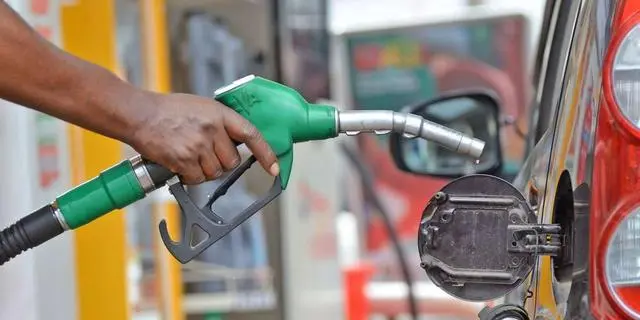

The average retail price of Premium Motor Spirit (PMS), commonly known as petrol, declined by 17.77 per cent year-on-year to ₦1,034.76 in January 2026, according to the latest data released by the National Bureau of Statistics (NBS).
The figure represents a significant drop from ₦1,258.34 recorded in January 2025, reflecting easing price pressures in the downstream petroleum market.
On a month-on-month basis, petrol prices also moderated by 1.32 per cent, down from ₦1,048.63 in December 2025, based on the NBS Premium Motor Spirit (Petrol) Price Watch report.
State-by-State Price Variations
Despite the overall annual decline, petrol prices continued to vary widely across states and geopolitical zones in January.
Highest Average Prices
- Cross River State: ₦1,171.77 per litre
- Rivers State: ₦1,160.92 per litre
- Nasarawa State: ₦1,149.13 per litre
Lowest Average Prices
- Ekiti State: ₦946.90 per litre
- Enugu State: ₦946.92 per litre
- Kaduna State: ₦947.00 per litre
At the zonal level, the South-South recorded the highest average retail price at ₦1,076.04, while the South-West posted the lowest at ₦1,009.30.
The NBS noted that the mixed pricing landscape reflects differences in distribution logistics, transportation costs, regional demand patterns and local market competition.
Market Adjustments Shape Pricing
Petrol price movements during the month were influenced by adjustments from both the national oil company and private refiners.
The Nigerian National Petroleum Company Limited (NNPC Ltd) revised its pump prices upward to ₦839 per litre in Abuja and ₦835 per litre in Lagos, compared to ₦785 per litre previously.
Similarly, the Dangote Petroleum Refinery increased its gantry price from ₦699 per litre to ₦799 per litre, describing the move as a post-festive pricing adjustment.
According to a statement issued by the refinery, the earlier lower pricing reflected a deliberate decision to absorb higher operational and logistics costs during the festive season. The upward adjustment followed the conclusion of that period.
Improved Access for Marketers
In December 2025, Dangote Refinery reduced its minimum order requirement from 500,000 litres to 250,000 litres, a move aimed at broadening market participation.
The policy shift allowed smaller oil marketers to purchase directly from the refinery at the gantry price of ₦699 per litre at the time, improving supply distribution and retail availability across filling stations nationwide.
Industry analysts viewed the adjustment as a strategic effort to enhance competition and stabilise supply chains in Nigeria’s deregulated fuel market.
Inflation Context
The moderation in petrol prices comes amid a slight easing in Nigeria’s inflation rate.
The NBS reported that headline inflation declined marginally to 15.10 per cent in January 2026, down from 15.15 per cent in December 2025.
Month-on-month inflation showed a contraction of –2.88 per cent in January, compared to 0.54 per cent in December, indicating reduced short-term price pressures across segments of the economy.
Energy prices remain a critical driver of inflation trends in Nigeria, given their direct impact on transportation, food distribution and production costs.
Marketers Push Back on Pricing Claims
Meanwhile, oil marketers have rejected claims that some retail outlets were selling fuel below the ₦739 per litre price benchmarked for Dangote-designated stations.
According to industry representatives, such reports were based on speculation rather than verified transactions, emphasising that retail pricing continues to reflect prevailing market realities.
Outlook for the Energy Market
The 17.77 per cent year-on-year drop in average petrol prices signals relative stability in Nigeria’s downstream petroleum sector compared to the volatility experienced in previous years.
However, analysts caution that future price movements will depend on global crude oil prices, exchange rate stability, logistics costs and ongoing reforms in the oil and gas sector.
With domestic refining capacity improving and policy adjustments continuing, stakeholders expect a more competitive pricing environment in the months ahead.
For consumers and businesses alike, January’s data suggests a modest reprieve in fuel costs — a development that could support broader economic activity if sustained.